Commercial duct cleaning looks simple until you have to buy it. Then the tangle begins. Conflicting scopes, mystery line items, unit pricing that seems designed by a magician, and photos of questionable dust that look like they were shot during a lunar mission. If you manage facilities, procurement, or construction, you know the pain. You need clean ducts and minimal disruption. You also need to move fast without tripping into a mess of change orders or angry tenants.
This guide walks through how to build an RFP or bid package that attracts the right contractors, sifts the pretenders from the pros, and yields a price you can defend. I have spent enough nights in mechanical rooms to know where bids go quiet and where they blow up. Learn from that.
Where costs really come from
Most cost blowups trace back to scope uncertainty, access, or timing. The ducts themselves are rarely the culprit. Think about what the contractor actually has to do in a high-rise office tower on a live floor. They must set containment, protect finishes, find or create access panels, stage negative air machines and HEPA vacuums, coordinate with your BMS and the controls contractor, lock out fans at odd hours, and haul debris through a service elevator that seems to have its own agenda.
The drivers that move price up or down:
- Extent of system cleaning. Supply only, or supply, return, and exhaust. Kitchen or lab exhaust is a different world than office return air. Access. Existing access panels, clear ceiling space, and mechanical room doors that fit the equipment. Cutting new access takes time and leaves the building with permanent new features. Occupancy and schedule. After-hours and weekend work adds labor premiums. Night work also reduces lost productivity for tenants, which some owners gladly trade for slightly higher contractor costs. Verification standards. NADCA ACR inspections, photo logs for every trunk and branch, post-cleaning particulate samples, or a simple visual acceptance with spot checks. Higher verification takes more time but avoids arguments later. Site constraints. Asbestos-containing materials on duct insulation, sealed plenums, fire smoke dampers, infection control requirements near healthcare areas, or areas with sensitive equipment.
When you see a bid that is thirty percent lower than the rest, look for one of those missing ingredients. It is almost always a scope hole wrapped in a friendly price.
RFP or simple bid, and when to use each
A formal RFP makes sense when you need vendor solutions or want to weigh more than price. A straight invitation to bid works if the scope is crystal clear and the building is typical. For duct cleaning, clarity is rare. Existing drawings often lag, tenants move walls, and old ductwork has a habit of surprising you. I lean toward an RFP that spells out minimum standards and asks for means and methods, verification, and risk handling. If your portfolio repeats the same scope across many floors, you can move to a bid once you have a winning recipe.
An RFQ, sometimes forgotten, helps you prequalify. Ask for references, certifications, and insurance before you release your full scope. You will cut the field and save everyone time.
The backbone of a clean scope
Duct cleaning scopes fail when they fixate on square footage or “clean everything back to the air handler” without defining how. A good scope reads like a field manual. It tells the contractor where to start, what success looks like, and how to prove it. It also draws a bright line between base scope and likely adds. You want apples to apples, not a fruit salad.
A strong scope usually includes:
- Named standard for cleanliness and testing. NADCA ACR is the usual anchor. The EPA has practical guidance on when to clean, but NADCA sets measurement and verification. System boundaries by mechanical system. Name the AHUs, floors, and areas. Add a plan or marked-up PDFs, even if imperfect. Imperfect drawings beat hand-waving. Components in scope. Duct interiors, VAV boxes, reheat coils, turning vanes, coils upstream and downstream if included, diffusers, and grilles. Many bids hide a trap here by excluding VAV internals and calling that a “terminal unit service” add. Access expectation. Use existing access panels where possible. If new access is required, specify material type, count estimate by system, and finish standards for patching or gaskets. Make the contractor price it at bid time, not after demolition. Containment and tenant protection. Poly barriers, negative pressure at the work zone, floor coverings, and equipment staging. These are not optional in active spaces. Timing rules. Nights, weekends, holidays, or swing shifts. Define when noisy work can happen, when fire alarm bypass is available, and when the freight elevator is yours. Verification protocol. Pre and post photo documentation by duct segment, spot NADCA vacuum test points if warranted, or third-party inspection for sensitive facilities. Decide up front how many photos you expect and how they should be labeled. Acceptance criteria. Who signs off, what happens if an area fails verification, and how rework is scheduled without nuking your operations. Closeout deliverables. Photo log, access panel locations and tags, redlined drawings, and a simple narrative of methods and any deviations.
If that sounds like a lot, remember that vagueness costs you, later and louder.
Unit pricing that will not bite
Contractors quote duct cleaning using a few common models. Per square foot of floor area, per linear foot of duct by size, per register or diffuser, or lump sum by system. The first two look objective until you run into access or a field change. On interiors projects where the duct map is fuzzy, I prefer a blended approach. Ask for lump sums by system for the base scope, then require unit prices for likely adds.
Examples that make sense:
- New access panel cut and grommeted, up to a specified duct size, with a price that includes fire caulk if required by local code. Additional VAV box opened and cleaned if discovered, with a separate unit price for boxes with electric reheat vs hydronic reheat, since those take more time. Coil cleaning if discovered to be required. This is different from duct cleaning and involves distinct chemicals, permits, and rinsing logistics. Night or weekend differential per crew hour, not a mysterious percentage.
If you do not ask for these at bid time, you will get them at change order time, usually after you have tied up the freight elevator and announced a schedule to your tenants.
How to compare bids without guessing
Big ranges between bids do not mean someone is wrong. They mean someone made different assumptions. Your job is to surface those assumptions before you award. The fastest way is to ask for a narrative of means and methods. Read it. If a contractor says they will pull and bag all diffusers and clean branch lines with rotating brushes and HEPA vacuums, that reads differently than someone offering only blow-and-go with compressed air. The first takes time but yields verifiable results.
Create a quick comparison sheet for your own use. Note whether each bidder includes return air plenums, terminal units, and access panel installation. Confirm work hours. Confirm closeout deliverables. Look for exclusions, especially fire dampers, duct-mounted sensors, and anything near a lab or data closet. The firm that hides exclusions in tiny font usually makes it up later. The firm that lists reasonable exclusions transparently often costs less in the end.
Anecdote from a midtown office tower, 28 floors, four AHUs per floor: the low bidder ignored VAV internals, offered no new access panels, and priced five nights per floor. The top two bidders included 2 to 4 new panels per riser, priced VAV cleaning, and allowed eight nights per floor for off-hours noise windows. The middle bid won, not the lowest, because the PM had scars and did the math on change orders. Actual project ended within two percent of award value. The low bid would have blown past by at least twenty percent, with collateral tenant rage thrown in.
Standards that matter, and how to use them
NADCA credentials, like ASCS and CVI, give you a quick way to screen for competence. The ACR Standard outlines inspection methods, acceptable cleanliness levels, and verification options. Use that structure. Do not copy and paste paragraphs you do not plan to enforce. Decide which parts you care about, then put them in your acceptance checklist.
For healthcare or life science spaces, ASHRAE guidance on ventilation and infection control adds context. Your internal infection control team may require ICRA-style barriers, negative air scrubbers with specific filter efficiency, and daily cleaning beyond typical office expectations. This is not overkill in those environments. It is simply the price of doing work near vulnerable populations or sensitive experiments.
EPA’s duct cleaning notes are often quoted to argue against cleaning at all. The point is not that ducts never need cleaning. The point is that cleaning is justified when you have visible debris, microbial growth, post-construction contamination, or restricted airflow from buildup. If none of those exists, put your dollars toward filtration and coil maintenance. That is a perfectly adult answer.
Logistics and building operations, the unglamorous bits
The cleaning itself is usually orderly. The circus happens around it. Crews need staging areas for equipment, sealed waste bins, and a clear path to the shafts. Fire alarm bypass can become a daily drama if you do not coordinate early. So does elevator usage. People assume work will be quiet because the crew is inside the ceilings. Then the negative air machine fires up and the phone calls begin.
Talk to your tenants. Explain the plan. Promise photo proof and a clean handoff. If you run a multi-tenant building, do your disruptive work in a rolling pattern so no floor loses two nights in a row. Move the noise around and give people a break. Folks accept a bit of inconvenience if it feels controlled.
Night work makes sense when the noise, dust risk, or egress paths conflict with business hours. It also adds cost and fatigue risk. Crews who finish at 3 a.m. And return the following evening are not at their sharpest by day four. Good contractors rotate crews or schedule rest days. Ask how they plan to manage fatigue. You are not micromanaging. You are protecting your building.
Safety and compliance, translated to field reality
Duct cleaning intersects with confined space rules, lockout tagout on fans, and fall protection in mechanical rooms. It also involves sheet metal cuts, sharp edges, and awkward body positions. A safety plan that fits only in a binder is no help at midnight in a riser room. Ask for a site-specific plan in plain terms.
Insurance and bonding matter if the scope is large or spans many floors at once. At a minimum, you want general liability, workers’ comp, and pollution liability. Yes, pollution liability. If someone mishandles a bag of contaminated debris or spills coil cleaner, you will be glad it is there.
For older buildings, ask up front about asbestos-containing materials on duct insulation, mastic, or fireproofing. Many contractors can work under an O&M plan if trained. Others need an abatement partner. Do not assume a duct is benign because it looks harmless. An inspector with a few samples can save you a very bad day.
Verification that is fair and firm
You do not need a PhD in dust to accept the work. You do need a practical method that both sides trust. Photo documentation with before and after from the same vantage point, labeled by system and location, solves most disputes. Supplement that with spot inspections at agreed locations. If the project is large or sensitive, add third-party verification for a small percentage of areas. Make rework expectations clear, including who pays if an area fails.
Do not demand lab air sampling unless you have a specific reason. Air sampling can be useful for mold or specific particulate concerns, but it is not a default proof of cleaning quality. It also adds cost and argument fuel. Visual acceptance to a standard, with photos, is usually sufficient.
Two moments that make or break a project
The pre-bid walk is the first. Put all bidders in the same rooms. Show them the tight spots. Point at the fire smoke dampers, the doglegged risers, and the cluttered plenum above that law firm with the glass walls. Invite questions. If someone claims they do not need to see the site, they are either a genius or planning to learn on your dime.
The kickoff meeting is the second. Bring operations, security, the fire alarm vendor, janitorial, and the contractor’s foreman. Set the first week’s targets and after-hours windows. Decide what happens if a key breaks on the freight elevator at 1 a.m. Name decisions that require your approval, especially if crews discover unexpected contamination or damaged linings. Write down phone numbers that ring in the middle of the night. You will need them.
Pricing realism, with a feel for the numbers
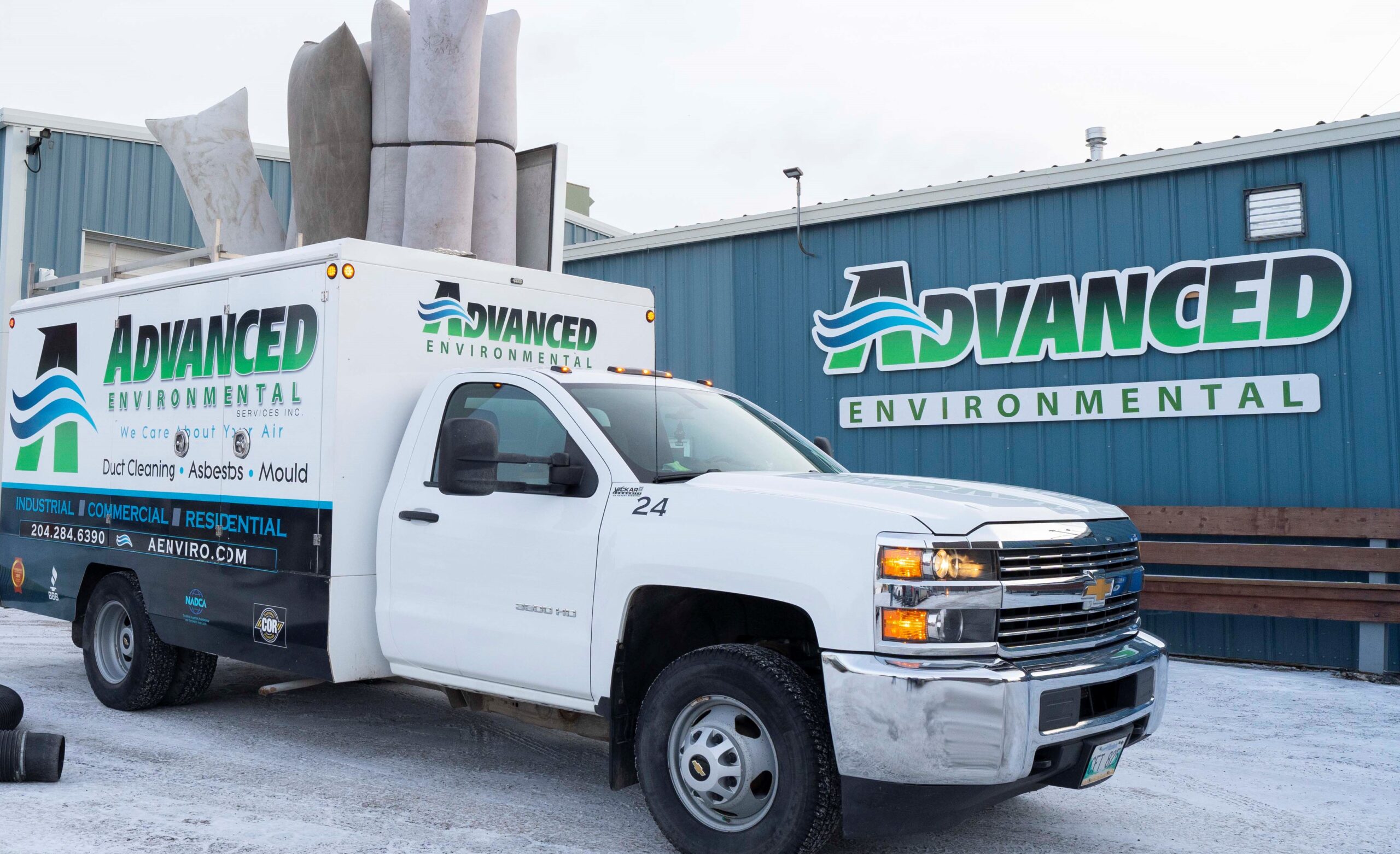
Expect a spread. For a typical multi-tenant office floor with two medium AHUs and standard branch distribution, I see lump sums per floor ranging from low five figures to the mid teens, depending on hours and access. A campus job that includes return plenums and hundreds of VAV boxes will trend higher, often in the high five to low six figures per building. Per unit prices vary by market, but a new access panel cut and finished tends to run a few hundred dollars each. Cleaning a VAV box interior can add similar dollars per unit. Night shift differentials usually add a double digit percentage to labor, or a flat per hour premium. These Advanced Environmental Service are ranges, not quotes, and local labor rates, union rules, and market demand move the needle.
If a number feels implausible, it probably is. Ask the bidder how many nights per floor they assumed and how many VAV boxes they counted. If they cannot answer without calling the office, your risk just went up.
Writing an RFP that earns good answers
You only get what you ask for. The fastest way to trigger lazy bids is a lazy scope. Put enough detail into your RFP to let good firms shine. The writing does not need to be poetic. It needs to be unambiguous.
Recommended inclusions for a duct cleaning RFP:
- Floor plans or marked PDFs that show system boundaries, risers, and mechanical spaces. A list of components in scope: duct interiors, terminal units, coils if included, and diffusers or grilles. Work hours and any building rules that affect access, noise, and elevator use. Required standards for cleaning and verification, including photo documentation format. Unit prices for known variables, such as new access panels and additional terminal units.
Those five items will resolve ninety percent of later arguments. The remaining ten percent you handle with a fair change process and a contractor who answers the phone.
Contractor interviews that surface the truth
Shortlist two or three bidders. Ten-minute slide decks are fine. Then ask field questions. Who is your working foreman, and has that person cleaned in occupied Class A space. How will you protect wood veneer ceilings on the 14th floor. What happens if you find a fire damper that does not open. How many access panels do you expect to cut on the south riser of building B, and where will you put them. Do not fish for technical jargon. Look for calm, direct answers and a willingness to say, that depends, here is how we decide.
Ask for a sample closeout from a similar job. You will learn more from a clean folder of labeled photos and a floor map than from a glossy brochure with stock images of ducts that have never met your tenant lawyer.
Keeping change orders from breeding
Change orders happen. They do not have to multiply. Two habits help. First, insist on a discovery protocol. If crews open a section and find conditions outside the assumed scope, they document it with photos, flag it to the PM, and propose a fix with the unit price you already collected. Second, anchor daily communication. A five-minute call or message at the end of each shift with progress and snags keeps surprises from turning into emergencies.
Beware of change orders for findings that were both predictable and unpriced. Missing access panels in old ductwork, sealed plenums behind millwork, and dead VAVs show up on every legacy building. If those were not priced as unit adds, someone either guessed or hoped. Do not be the person paying for hope.
A simple timeline that respects reality
Use a tight but honest schedule. Rushing night work creates dust and damage, which you then get to explain to a building full of clients the next morning. A practical small to mid-size project will run in discreet waves per floor or system, with containment, cleaning, inspection, and patching each getting its window.
A workable sequence looks like this:
Pre-bid walk, questions, and addendum with clarified scope and unit prices. Award and kickoff with building operations, security, and the contractor’s foreman. Mobilization and protection, including barriers, negative air machines, and elevator rules. Cleaning and real-time verification with photos and spot inspections. Closeout with a labeled photo log, access panel list, and a short lessons-learned note.This is not fancy. It is what works when people show up prepared.
When duct cleaning is not your best spend
Sometimes the ducts are not the villain. If you are chasing occupant comfort or odor complaints, check filtration and outside air balance first. Dirty or undersized filters, leaky plenums, and coils caked with biofilm can do more harm than slightly dusty ducts. If you just completed a demolition and there is visible debris, yes, clean. If the system has been well filtered and maintained, cleaning the ducts for aesthetics alone may not move the needle. You can still justify cleaning if you need documentation for a tenant or a lease requirement, but be honest about expected outcomes.
Lessons from the field, in small doses
A distribution center in New Jersey planned to clean two massive return trunks during live operations. Forklifts, dust, and long shifts. The team scheduled work from 2 a.m. To 6 a.m. Thinking nobody would notice. They did not tell the night shift manager. At 2:15 a.m. The negative air machine tripped a breaker shared with the dock lights. The night manager noticed. Two nights lost, one red-faced phone call, and a revised plan with a dedicated power run and a polite walk-through. Smooth after that.
A university lab building tried to save money by skipping third-party verification. The contractor did good work. One PI on the third floor did not believe it without an outside note. The project manager spent a week rebuilding trust that a one-day inspection would have bought for a modest fee. Consider your skeptics before you cut the proof budget.
Final checks before you sign
You are close to award. Take one last look. Make sure your RFP and the winning proposal point to the same map. Confirm work hours in writing. Lock the unit prices into the contract. Name the foreman by person, not just by company. If you need specific warranties, such as a one-year workmanship warranty on access panels and seals, add the sentence now. Tomorrow is too late.

And then, when the crew shows up with poly, tape, and a small army of vacuum hoses, give them a clear path and a fair shake. Good duct cleaning teams take pride in leaving a system better than they found it. If you give them a proper scope and a sane plan, they will return photos that tell the story and a building that breathes a bit easier.
The best procurement is not a battle. It is clarity, tested in the field. With the right scope, smart unit prices, and a little coordination, commercial duct cleaning becomes one of the least dramatic projects you run all year. Which is exactly how it should be.