A manager pulled me aside after a winter of back‑to‑back colds ripped through her open‑plan office. “I bought everyone hand sanitizer, I begged people to stay home, I even sprung for fancy tea,” she said, “but every Monday someone else sounded like a malfunctioning accordion.” Then she pointed up at a supply register that looked like it had been ringed with fireplace soot. That was our starting bell.
Clean ducts will not turn your building into a Himalayan spa, but regular commercial duct cleaning, paired with sane filtration and ventilation, can move the needle on sick days. The trick is not magical equipment or buzzwords. It is timing, method, and discipline. If you’re willing to treat your mechanical systems like business assets instead of afterthoughts, the gains show up in calendars, not just CO2 graphs.
The absenteeism math no one argues with
People get sick for many reasons: kids bring home bugs, buses are crowded, life happens. Indoor air quality is only one slice of the pie, but it is the slice you control during working hours. When distribution ducts, coils, and supply registers accumulate dust, dander, and moisture, you add an avoidable layer of irritants to every breath inside the building. That extra burden nudges susceptible folks into sinus flare‑ups, winter coughs, and asthma episodes. They take days off, or worse, they show up at 60 percent capacity and share their misery.
Absenteeism costs are not abstract. Many HR teams peg the fully loaded cost of one sick day between 250 and 500 dollars per employee, depending on salary and disruption. Sprinkle a few dozen extra sick days across a year in a 100‑person office, and the line item lands in five figures before you have time to sneeze. You will never attribute each absence to a dirty duct, but you can stack the deck in your favor. That is where routine duct hygiene lives: not as a silver bullet, but as risk control.
What actually lives in your ducts
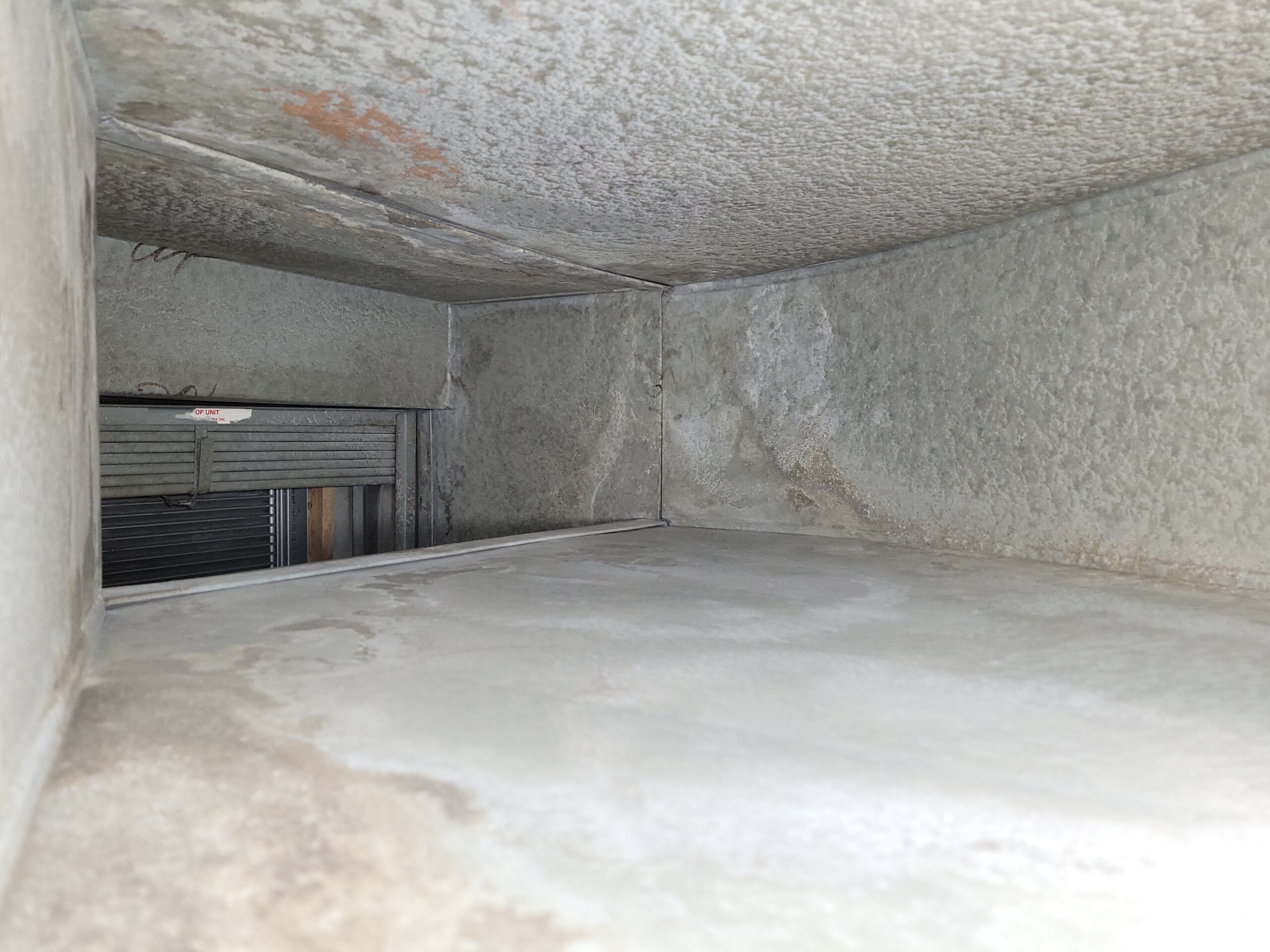
I have opened plenums that looked like abandoned attics. The usual catalog includes gray dust, paper fibers, skin flakes, carpet fluff, and whatever the construction crew forgot to vacuum at turnover. Throw in a film of oily residue from a cafeteria or street pollutants if the intakes sit near traffic. When humid air meets cool metal, condensate can feed small microbial colonies on insulation or mastic. No, your ducts are not incubators that breed exotic diseases every full moon. But they do accumulate material that sheds downstream and irritates airways.
A quick note about scale: a thin film of settled dust along a trunk line will not kill productivity. The trouble begins when those layers thicken enough to migrate, or when they gather on louvers and diffusers where every puff releases a little plume. If you can write your name on a return grille, the supply side almost certainly has a story to tell.
How dirty ducts make people feel worse
Three mechanisms play out in real offices.
First, particulate resuspension. Every time a fan ramps up or a pressure wave travels a bend, loose material pops back into the airstream. Those particles bypass your filtration if they sit downstream of the filter bank. People with allergies do not need much to start sneezing.
Second, odor carryover. Dust holds smells. If your building has a lunchroom that loves pan‑seared anything, the downstream spaces will catch a whiff for hours. Odors do not make you sick directly, but they signal poor control. Complaints follow, along with open windows in January.
Third, microbial irritants. Mold needs moisture and a food source. Duct interiors are not nutritious, but wet fiber‑lined sections, dirty drain pans, and humidifications gone wrong can produce small patches. Even low levels can fire up sensitive airways. You do not need visible fuzz to have a problem. People usually describe it as “musty” or “earthy” that never quite resolves.
None of this means ducts replace proper ventilation. You still need outside air per ASHRAE 62.1 and decent filtration at the air handler. Cleaning is a complement. Think of it like flossing after installing a quality toothbrush.
How often does “regular” mean, actually
Calendars beat gut feelings. In most commercial buildings that run five days a week with typical occupant density, a full cleaning cycle every 3 to 5 years is a sane baseline. Edge cases shift the interval. Call centers with carpet tiles and high churn of snack dust might be closer to 2 to 3 years. Labs with excellent housekeeping and high MERV filtration can stretch past 5. If your system lived through a renovation without proper protection, move the schedule up. Any time you replace a main air handler or reroute trunk lines, pretend you’re starting over and clean once the sheet metal work is done.
Between full cleanings, do not ignore the obvious. Filter changes, coil cleaning, and drain maintenance keep the system honest. Coils act like lint rollers. If coils are matted, the ducts will not save you.
What a professional cleaning includes, and what it does not
Quality commercial duct cleaning shares a few common elements when performed to accepted industry practice, such as NADCA ACR. The job begins with inspection. Pros camera‑crawl the ducts, check condition of internal insulation, and map out access points. They isolate sections, apply negative pressure with HEPA‑filtered collection units, and use agitating tools to dislodge accumulation so the vacuum captures it. They remove and wash supply registers and return grilles, clean coils, and scrub fan housings if that is in scope. They button up, seal access covers, and document with before‑and‑after images.
What it does not include: miracles. If the interior of your ductwork uses friable, degraded liner, a cleaning alone will not solve particle shedding. You may need to encapsulate or replace sections. If outside air is undersized or intakes pull from a loading dock, expect complaints until you fix the design. Duct cleaning cannot outmuscle physics.
The day the vacuums arrive
The best crews operate like stage managers. They show up early, stage equipment without blocking egress, and drape work areas so you do not look like you hosted a confetti cannon test. They will shut down air handlers in zones they are working on, then run temporary filtration to keep neighboring areas comfortable. You will hear taps, scrapes, and the low hum of collectors.
Here is a simple playbook that keeps the day smooth:
- Walk the route with the crew chief, identify sensitive rooms, and set noise windows that avoid critical calls or exams. Verify power availability for collection units and plan cord paths to prevent tripping. Confirm filter stocks and change schedule at the air handlers, not at 4 p.m. When someone discovers a wrong size. Stage sealed waste bags and label them by zone so your facilities logs make sense later. Capture quick air readings before and after, even basic particle counts, so you have context for the next cycle.
Keep occupants in the loop, but do not overthink the memo. People tolerate a day of whooshing sounds if they know what is happening and where to find a quiet corner.
Signs your ducts are part of the problem
You do not need a laboratory to suspect a duct issue. Watch for patterns that stick around after you have addressed obvious culprits like perfumes, cleaning agents, and cheap space heaters. If eyes water or throats scratch within 30 minutes of arrival, then symptoms calm in the courtyard by lunch, you have an indoor trigger. If complaints cluster near certain diffusers, especially corners with streaked registers, surface buildup likely mirrors interior conditions. If facilities replaces filters on schedule yet still finds unexpected dust in supply plenums, the source is probably downstream of the filter rack.
Pay attention to seasonal clues. Winter air runs drier and tends to carry more static‑bound dust. If symptoms spike each December and January, duct hygiene and humidity control deserve a joint review. Summer headaches might trace to microbial odors if condensate management is sloppy. Advanced Environmental Service The building is telling you a story. Do not act like you have never heard it.
Filtration, ventilation, and cleaning, in the right order
If your filter rack accepts at least MERV 13 without tanking airflow, install it and monitor fan energy. That single choice removes a large share of fine particles. If you cannot handle MERV 13 because of legacy fans, step as high as you can and consider fan upgrades when budget permits. Then tune outside air to meet your occupancy and local climate load. Only after those two are in good shape do you set a cleaning cadence. Cleaning ducts while you still run cheap filters is a treadmill.
A practical tip from project work: confirm the filter rack seals. I have seen MERV 15s installed like postcards in a loose mailbox. Air loves the path of least resistance. If it bypasses filters through gaps, you wasted money on ratings.
Compatibility and edge cases most people miss
A few pitfalls trip up well‑meaning managers.
- Lined ductwork that is shedding: Fiber‑lined duct interiors can degrade after years of moisture cycles. Agitation can worsen shedding. In these cases, pros use soft‑bristle tools, then apply an approved encapsulant that binds fibers. If the liner crumbles, replacement solves more than cleaning ever could. Antimicrobial treatments: Some vendors pitch fogging biocides as cure‑alls. Use them only when you have verified microbial growth and identified moisture control fixes. A spray without source control is perfume on a damp rug. Sensitive occupancies: Hospitals, clean rooms, and food processing plants march to stricter standards. Work often occurs at night or in tightly isolated phases, with additional validation like surface swabs and pressure monitoring. Do not cut corners by importing an office playbook. Newly built space: Post‑construction dust is the villain of many first‑year indoor air sagas. If contractors did not cap ducts during drywall and sanding, assume you need a thorough pass before occupancy. There is no faster way to seed coils and registers than feeding them gypsum confetti.
The cost question, answered like an adult
Budget holders want numbers, not moods. Prices vary with region, complexity, access, and scope. As a rough sense check, whole‑building commercial duct cleaning commonly falls in the range of a few cents to several dozen cents per square foot of serviced area, with small jobs landing higher per unit because of setup time. Add coil cleaning and fan housings, and the package rises. If you need special containment for sensitive spaces or overnight labor, add a premium.
Does it pay back? When you tie the cost to absenteeism and comfort complaints, it does, but not every year and not equally in every building. The simplest ROI arrives after renovations or in buildings with visible buildup, because occupants feel the difference immediately. In steadier environments, the return shows up as fewer winter sniffle spikes and fewer tickets for “stale air” that turn into time‑sink investigations. If you require a CFO‑grade justification, track sick days by department and map them to zones. Pair that with complaint logs and particle trend snapshots. You will never prove causality to a legal standard, but you will build a persuasive narrative with data.
A short case from the trenches
A mid‑sized call center with 180 seats called us after three winters of 6 to 8 percent absenteeism peaks between Thanksgiving and February. The facility used MERV 8s, changed quarterly. The returns were clean enough at a glance, but every supply diffuser wore a dark ring like a raccoon mask. The building ran two packaged rooftop units that fed main trunks with original duct liner from the 1990s.
We started with filters. We tested MERV 13 inserts, verified that static pressure stayed within the fans’ curve, and sealed three obvious bypass gaps. We scheduled a weekend cleaning. Camera inspections showed talc‑like dust along the bottom of supply trunks and a film on internal liner near a humidification takeoff that had over‑sprayed for years. The crew used soft agitation under negative pressure, then encapsulated two problem sections. Coils and drain pans got their own day.
Monday morning smelled like nothing, which is exactly what you want. Over the next three months, the HR dashboard showed absenteeism peaking closer to 4 percent. The following winter landed similar numbers. No one wrote poetry about the ductwork, but the site lead stopped spending Tuesdays shuffling schedules to fill phones. That is success in our line of work.
How to keep gains without turning into a HVAC hobbyist
Buildings need boring habits. The more you ritualize airside hygiene, the less drama you manage in January. A light framework helps.
- Establish a written schedule that pairs filter changes, coil cleaning, and a 3 to 5 year duct cleaning cycle, with room to accelerate after dusty events like renovations. Assign one person to own the log. Shared ownership is nobody’s ownership. Include photo evidence for major tasks. Your future self will thank you when memories blur. Add two simple spot checks each quarter: visual inspection of a handful of supply diffusers and particle readings in a representative space. Tie the program to HR’s absenteeism data and work order trends. That linkage funds your next cycle without a monologue.
We are not trying to launch a quality program worthy of a manufacturing line. We are just keeping the invisible infrastructure clean enough that it does not pick a fight with your staff’s lungs.
How to read the room when people say “musty”
Language around air is slippery. “Stale,” “heavy,” and “musty” could mean low outdoor air, high CO2, residual odors on fabric chairs, or microbial hints from wet materials. Before you order a cleaning, a short diagnostic pass keeps you honest.
Start with ventilation numbers. Quick CO2 snapshots during peak occupancy tell you if outside air is undershooting the mark. If that box checks out, move to moisture: look for cracked drain pans, clogged traps, and sweating casings. Listen for fans that do not quite ramp. If you still suspect the distribution network, then yes, open the registers and take a peek. A half hour with a borescope camera can save thousands if the ducts look fine and the culprit is a dead plant in a return plenum. I have seen it. Twice.
What to ask a vendor before you sign
Credentials tell part of the story. NADCA membership suggests a baseline of training and standards adherence. Insurance is non‑negotiable. Beyond that, ask practical questions. How do they protect sensitive electronics on open desks. What do they do with friable duct liner. Do they photograph every section or just a couple of heroic angles. How do they handle after‑hours access and fire alarm coordination. A good vendor answers without theatrics and offers references that mirror your building type. If a pitch leans hard on miracle coatings that solve everything forever, grip your wallet tighter.
Employee communication that does not backfire
Announcing a duct cleaning can trigger hypochondria if you word it poorly. The goal is confidence, not alarm. Frame the work as routine preventive maintenance to keep air delivery clean, much like changing oil in a fleet. Share the schedule, note any temporary noise or room closures, and give people a contact for concerns. If someone asks whether the ducts were filthy, sidestep the theater. “We saw ordinary dust accumulation in line with age and use, and we are giving the system a tune‑up” keeps the vibe calm.
Occupants often notice cleaner diffusers and reduced odors more than anything. Those small wins seed trust when you later pitch a filter upgrade that costs a bit more but pays off in fewer tissues at the reception desk.
The small print on measurement
You cannot manage what you never measure, but measurement without context becomes a rabbit hole. Low‑cost particle counters are helpful trend tools, not court evidence. Run a baseline week before cleaning, at similar occupancy and weather if possible. Capture a few time‑stamped snapshots per day in the same spots. Repeat after cleaning, with the same routine. Do not compare a rainstorm Tuesday to a sunny Thursday. Include a sanity check: ask the cleaning crew to photograph inside a few representative trunks. Visual confirmation plus particle trends and a dip in complaints create a triangulation that any executive can follow.
Also, do not forget your nose. Humans are excellent at detecting changes in odor intensity. If three different people from different departments walk into a corridor and say it smells fresher, you are onto something.
When duct cleaning is not your best first dollar
There are honest times to wait.
If your filters are overdue, your outside air dampers are stuck half shut, and your coils look like they are wearing gray sweaters, spend there first. Those fixes often cut complaints quickly and may reduce the duct cleaning scope when you get to it. If you just finished a deep clean last year and complaints popped up after carpet replacement, test VOCs in the short term and boost ventilation. Smells from new materials fade. Ducts did not get dirty overnight.
If a notorious cold and flu season rolls through town, remember that the virus party started in the community. Indoor air strategies still help, but do not oversell what duct cleaning alone can do inside of a month. Focus on filtration, ventilation, and behavior until the wave passes. Then return to your maintenance plan.
The upshot, minus the sales pitch
Regular commercial duct cleaning is not a trophy service. It is annual‑budget boring. Paired with decent filtration and ventilation, it reduces the background irritants that push people from “fine” to “I’m staying home.” You will not eliminate sick days. You will dampen the extremes, quiet the chorus of coughs by the printer, and make Monday mornings smell neutral. That neutrality is underrated. In facilities work, boredom is glory.
I like to think of it as a contract between the building and the people who animate it. We promise to supply air that does not pick a fight with your lungs, and you promise to show up ready to work, not to sneeze your way through three meetings. Put the schedule on paper, keep the registers clean enough that you would eat a cracker off them if you had to, and take pictures so your successor understands the why, not just the what. Then enjoy the silence when winter rolls in and your office does not sound like a symphony of tissue boxes.
If you look up at a diffuser right now and see a gray halo, that is your to‑do list writing itself. Bring in a reputable crew, set a sensible cadence, and treat the air path like the business asset it is. Sick days do not stand a chance against good habits.